
Grand Theft vs. Petty Theft in Arizona: What’s the Legal Difference?
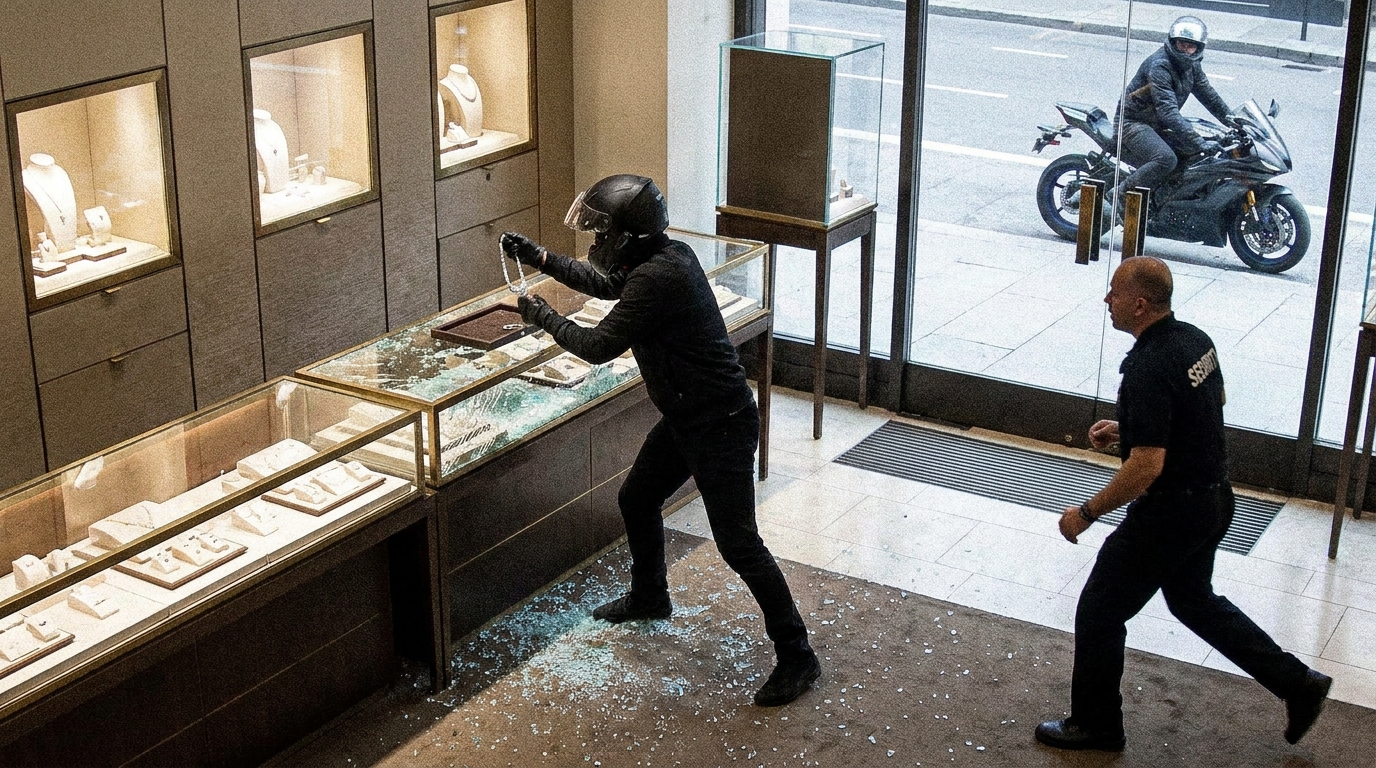
If you are being investigated or have already been charged, it is normal to wonder whether the allegation is “petty theft” or “grand theft” and why that label matters. In Arizona, the real issue usually comes down to how state law classifies the property's value and type. That classification can affect whether the case is treated as a misdemeanor or a felony, how much jail time or prison exposure you face, and how a prosecutor may approach plea negotiations.
Many people use terms like petty theft, grand theft, and grand larceny loosely. In everyday conversation, they make sense when discussing the consequences of petty theft versus grand theft. Under Arizona law, though, theft is mainly charged under A.R.S. § 13-1802, and the seriousness of the case depends on the value of the property, the nature of the item, and the surrounding facts. A shoplifting allegation involving a low-dollar item will usually be treated very differently from a case involving firearms, a vehicle part, or higher-value property.
This article discusses the following:
- How Arizona Law Defines Theft
- Petty Theft vs. Grand Theft in Arizona
- When Theft Becomes a Felony Under Arizona Law
- Shoplifting, Stolen Property, and Related Theft Crimes
- Penalties for Petty Theft and Grand Theft Charges
- Defense Strategies in a Theft Case
- FAQs About Petty Theft or Grand Theft in Arizona
- Important Things to Remember
- How Kolsrud Law Offices Can Help
This article explains the difference between petty theft and grand theft in plain English. You will learn how Arizona law separates theft offenses, when theft is considered a misdemeanor or a felony, what penalties may apply, and what defense strategies may help if you are accused of theft. You will also see why early legal representation can make all the difference when you are facing a theft charge in Maricopa County or anywhere else in Arizona.
How Arizona Law Defines Theft
Arizona law defines theft in A.R.S. § 13-1802. In simple terms, a person commits theft by knowingly controlling someone else’s property with the intent to deprive that person of it, converting property for an unauthorized use, obtaining property by material misrepresentation, or controlling lost or misdelivered property without making a reasonable effort to return it. That broad definition matters because theft is often charged in cases that go far beyond a simple shoplifting allegation.
This is one reason the difference between petty theft and grand theft can feel confusing. The law does not just ask whether someone tried to steal. It also asks what was taken, how it was taken, the value of the stolen property, and whether the item falls into a category that receives harsher treatment. In other words, two theft cases may look similar at a glance, but the legal consequences can be very different.
Arizona courts and prosecutors pay close attention to the value of the stolen goods because value often determines whether a theft offense is charged as a misdemeanor or a felony. Arizona does not formally divide theft into statutes called “petty theft” and “grand theft.” Instead, theft is generally charged under A.R.S. § 13-1802, and the classification depends on the value and type of property involved. Under A.R.S. § 13-1802(G), theft of property or services valued at less than $1,000 is usually a class 1 misdemeanor, while theft involving $1,000 or more may be charged as a felony.
People also use the term grand larceny, especially when searching online. Arizona does not structure theft law the same way some other states do. The phrase "grand larceny" is not the primary label used in the Arizona criminal code. Still, when people say grand larceny, they usually mean a more serious theft offense that can be charged as a felony in Arizona.

Petty Theft vs. Grand Theft in Arizona
The difference between petty theft and grand theft usually comes down to value and classification. Petty theft is a common term for lower-level theft offenses, while grand theft generally refers to more serious theft involving higher-value property or items that are treated as felonies. Arizona law does not always use those everyday terms in the statute itself, but the concept is still important for people trying to understand their charges in Arizona.
Under A.R.S. § 13-1802(G), theft of property or services valued at less than $1,000 is generally charged as a misdemeanor, unless another factor raises the charge. If the value of the stolen is under $1,000, many people would describe that as petty theft. That does not mean the case is minor. A misdemeanor theft conviction can still lead to jail time, fines, probation, restitution, and a criminal record that affects employment and professional licensing, highlighting the legal implications of theft.
Grand theft is more serious because it usually involves property valued at $1,000 or more or property that falls into special statutory categories. When the value of the stolen property reaches that threshold, the case may be charged as a felony. Depending on the amount and the facts, the offense can be a class 6, 5, 3, or 2 felony. That is a major jump in exposure, especially for people with a criminal history.
Here is the real difference in practical terms: petty theft may expose a person to misdemeanor punishment, while grand theft may place that person at risk of a felony charge, prison, and long-term damage to future opportunities. That is why the difference between grand theft and petty theft matters so much from the start of the legal process.
As a general rule, if the property is worth less than $1,000, the case is more likely to be considered petty. If it is $1,000 or more, prosecutors may treat it as grand theft. But the analysis does not stop there. Theft of certain items, such as firearms, farm animals, or other specially listed property, can elevate the charge to grand theft or otherwise result in felony treatment, even when value disputes exist.
When Theft Becomes a Felony Under Arizona Law
A theft offense is considered a felony in Arizona when it falls into one of the felony ranges listed in A.R.S. § 13-1802(G). Theft of property or services worth $1,000 to $2,000 is generally a class 6 felony. Theft of $2,000 to $3,000 is usually a class 5 felony. Theft of $3,000 to $4,000 is often a class 4 felony. Theft of $4,000 to $25,000 is usually a class 3 felony. Theft of $25,000 or more can be charged as a class 2 felony.
That means the value of the stolen goods can completely change the case. A prosecutor who can prove a higher value may be able to charge the case as a felony in Arizona instead of as a misdemeanor. This is one of the key differences between petty and grand theft. It is also why a defense attorney will often look closely at receipts, appraisals, surveillance records, witness statements, and ownership documents.
There are also situations where the theft of certain items can lead to a felony charge, which may be considered grand theft even if the number is not the only issue in dispute. Firearms, credit cards, trade secrets, and means of transportation can raise separate legal issues under Arizona law. In some cases, the state may file additional counts such as trafficking in stolen property under A.R.S. § 13-2307 or unlawful use of means of transportation under A.R.S. § 13-1803.
Consider a Phoenix example. A person is accused of taking electronics from a store, and the police report claims the value of the stolen property is $1,150 based on the shelf price. The defense later shows the items were used floor models and are worth much less. That difference may affect whether the theft charge stays charged as a felony or drops to a misdemeanor. The value is not just a slogan in a statute book; it has real consequences, especially in free case evaluations for theft cases. It can shape the entire case.
Consider a Mesa example. A person takes a coworker’s laptop, believing it was abandoned in a break room, then later uses it for personal work. That person may still face criminal charges if prosecutors argue there was intent to deprive the owner of the property. But if the defense can show a misunderstanding, lack of intent, or confusion about ownership, the case for theft may become much weaker.
Contact us today to schedule a
FREE CONSULTATION and learn
how we can help you.
Shoplifting, Stolen Property, and Related Theft Crimes
Not every theft arrest is filed the same way. Some cases are charged as general theft under A.R.S. § 13-1802, while others are filed as shoplifting under A.R.S. § 13-1805 outlines the penalties for theft, including those considered grand theft. Shoplift cases often involve retail stores and allegations that someone removed merchandise, altered a price tag, transferred goods to a different container, or concealed items with the intent to deprive the merchant.
A shoplifting allegation may sound smaller than grand theft charges, but shoplifting can still become serious. If the value is high enough, or if the person allegedly used a device to facilitate the offense, prior convictions or other facts may affect exposure. That is why people charged with petty theft or grand theft should never assume the case will simply go away on its own.
Arizona also punishes conduct involving stolen property after the initial taking, which can lead to serious consequences of petty theft. Under A.R.S. § 13-2307, a person can face charges for trafficking in stolen property if they knowingly sell, transfer, distribute, or otherwise deal in stolen goods. This becomes important in cases involving online marketplaces, pawn transactions, or claims that someone “didn’t do the stealing” but later handled the property anyway.
In Scottsdale or Flagstaff, for example, a person might buy expensive tools from someone in a parking lot for a suspiciously low price and later try to resell them. Even if that person did not personally steal the tools, prosecutors may argue that they knew, or should have known, they were dealing with stolen property. These cases often turn on knowledge, intent, and credibility.
This is also where theft and grand theft issues overlap with broader theft crimes. The state may look at the original taking, later possession, text messages, sales history, online postings, and surveillance footage. A criminal defense lawyer will want to examine the whole chain of events, not just the arrest report.

Penalties for Petty Theft and Grand Theft Charges
The punishment for grand and petty theft depends on classification, prior record, and the facts of the case. Misdemeanor theft can lead to jail time, probation, restitution, and a fine. Felony theft can carry much more serious legal consequences, including prison, felony probation, and long-term damage to a person’s criminal record and future employment.
For misdemeanor theft, the charge is often a class 1 misdemeanor when the value is under $1,000. A class 1 misdemeanor in Arizona can carry up to 6 months in jail, up to 3 years of probation, and fines plus surcharges. Even when no jail is imposed, a theft conviction can still create problems for jobs involving trust, money handling, licensing, and background checks.
For felony theft, the range gets much more severe. A class 6 felony is the lowest felony level, but it still matters. A class 4 felony, class 3 felony, or class 2 felony can place a person in significant sentencing danger, especially if there is a criminal history or if the case is charged with aggravating factors. Grand theft may also bring pressure from prosecutors for restitution and strict probation terms. That is why people facing theft allegations often seek legal counsel before filing or very early after arrest.
Josh Kolsrud brings a valuable perspective to these cases because he spent many years as a federal prosecutor and has close to two decades of criminal law experience. At Kolsrud Law Offices, that background can help when analyzing evidence, negotiating with prosecutors, and identifying weak points in a felony theft case before the damage spreads further.
| Arizona Theft Level | Value / Category | Likely Classification | General Penalty Range | Key Authority |
| Lower-level theft | Less than $1,000 | Usually misdemeanor, often class 1 misdemeanor | Up to 6 months jail, probation, restitution, and a fine | A.R.S. § 13-1802(G); A.R.S. § 13-707 |
| Felony theft | $1,000 to less than $2,000 | Class 6 felony | Possible prison, probation, restitution, and collateral consequences | A.R.S. § 13-1802(G) |
| Felony theft | $2,000 to less than $3,000 | Class 5 felony | Higher felony exposure; prison or supervised probation possible | A.R.S. § 13-1802(G) |
| Felony theft | $3,000 to less than $4,000 | Class 4 felony | Increased prison risk and more serious felony consequences | A.R.S. § 13-1802(G) |
| Felony theft | $4,000 to less than $25,000 | Class 3 felony | Substantial felony exposure, restitution, and long-term record impact | A.R.S. § 13-1802(G) |
| Highest theft range | $25,000 or more | Class 2 felony | Severe felony in Arizona exposure, prison, restitution, and lasting record damage | A.R.S. § 13-1802(G) |
| Repeat-offender concern | Prior felony record or aggravating history | Sentencing can increase | Prior convictions may raise prison exposure under Arizona repetitive offender statutes | A.R.S. § 13-703 |
Defense Strategies in a Theft Case
Every theft case depends on proof. Prosecutors still must show intent, control, value, and ownership. That creates room for strong defense work. A defense lawyer can argue that the state has gaps in evidence, unreliable witnesses, or an inflated value claim in cases involving a grand theft conviction. In many theft cases, the strongest defense begins long before trial.
One common defense is a lack of intent. Theft requires proof that the person meant to deprive the owner of property. If someone believed the item was abandoned, thought they had permission, mistakenly took the wrong bag, or planned to return the property, that can matter. Lack of intent is especially important in cases involving shared property, family disputes, workplace issues, and unclear ownership.
Another defense is mistaken identity. In retail or parking lot cases, surveillance footage may be blurry, incomplete, or open to interpretation. Witnesses may assume the wrong person was involved in the theft, which can significantly impact the outcome of grand theft cases. When someone is accused of theft based mainly on a quick identification or an unclear video clip, a criminal defense lawyer should challenge that evidence aggressively.
A third defense is disputing the value of the stolen goods. Prosecutors may try to charge grand theft by using a retail sticker price or an unsupported estimate. But the value of the stolen property may be lower due to wear, age, missing parts, market conditions, or ownership questions. If the defense lawyer can argue the property was worth less than claimed, that may reduce a felony charge to a misdemeanor.
A fourth defense is ownership or consent. Some theft offenses arise from business conflicts, breakups, roommate disputes, or family property arguments. If the accused had a claim of right, prior access, shared ownership, or permission, the state may have trouble proving unlawful control over someone else’s property. The theft may not be as simple as the report suggests.
A fifth defense involves constitutional issues. An unlawful search and seizure, an improper stop, or an invalid warrant can affect the admissibility of the evidence. If police found the alleged stolen property through a rights violation, the defense attorney may seek to have it suppressed. In the right case, that can seriously weaken the prosecution.
A sixth defense is witness credibility. Store employees, coworkers, or former partners may make assumptions or may have personal reasons to point blame. A defense lawyer can argue that inconsistent statements, poor viewing conditions, or bias reduce the reliability of the state’s evidence.
Josh Kolsrud and Kolsrud Law Offices often approach theft cases by focusing on the weakest parts of the prosecution file. His background as a former prosecutor helps him evaluate how the state may present the case and where pressure points exist for negotiation or dismissal. For people facing theft allegations, that kind of practical analysis can be critical.
FAQs About Fourth DUI Convictions in Arizona
Is petty theft or grand theft the same as shoplifting?
Not always. Shoplifting is usually used for theft from a retail store and is commonly charged under A.R.S. § 13-1805. Petty theft and grand theft are broader, everyday terms that refer to the seriousness of a theft based on the value of the stolen property and other factors.
What qualifies as grand theft in Arizona?
In general, a crime that qualifies as grand theft means the theft is serious enough to be charged as a felony, often because the property is worth $1,000 or more under A.R.S. § 13-1802(G), or because the item falls into a category that receives felony treatment.
Can I go to jail for petty theft?
Yes. Even when theft is considered petty and charged as a misdemeanor, jail time is possible. A class 1 misdemeanor can carry up to 6 months in jail, along with probation, restitution, and a fine.
Can the state raise the charge to grand theft later?
Yes. If prosecutors obtain more evidence regarding value, additional property, or related conduct, they may raise the charge to grand theft or file other theft charges. That is one reason early legal support matters.
What if I already returned the property?
Returning property can help in some cases, but it does not automatically erase the allegation of being charged with petty or grand theft. Prosecutors may still claim the offense was complete once the property was taken with the required intent. Still, restitution and quick action can sometimes help during negotiations.
Will a theft conviction stay on my record?
A theft conviction can create a criminal record and may affect jobs, housing, professional licenses, and immigration issues. Whether later-set-aside relief is available depends on the offense and the case outcome, but avoiding a conviction at the outset is often the best result.
Do I need a grand theft lawyer if the case seems minor?
Yes, especially if there is any dispute over value, ownership, or prior history. A grand-theft lawyer or defense attorney can review police reports, evidence, and charging decisions to determine whether the offense is petty or grand theft and whether the case can be reduced or challenged.
Important Things to Remember
- Arizona generally handles theft under A.R.S. § 13-1802.
- The law separates theft into more or less serious categories based largely on the value of the stolen property.
- Petty theft usually refers to lower-level theft that may be charged as a misdemeanor.
- Grand theft is more serious and is often charged as a felony.
- A case can shift from misdemeanor to felony territory depending on the valuation of evidence.
- Shoplifting is related but may be charged under a separate statute, A.R.S., which outlines the legal implications for petty theft. § 13-1805.
- Theft of certain items can create added risk even apart from dollar value.
- A theft case may involve defenses such as lack of intent, mistaken identity, consent, and disputes over value.
- People facing theft accusations should act quickly to protect their rights and avoid mistakes in the legal process.
How Kolsrud Law Offices Can Help
An award-winning criminal defense attorney Since 2006
Why Choose Josh Kolsrud
With over 100 trials to his name, and years of experience as a state and federal prosecutor, Josh understands the law, the legal process, and your rights. Josh is also committed to representing every client with utmost integrity and dedication

Experience
Josh has prosecuted major crimes on the state and federal level, led a successful anti-human sex trafficking operation that saved lives, and argued before countless juries and justices for his clients

Expertise
Josh is an expert in both Arizona and federal criminal law, and is ready to put that expertise to work for you.

Dedication
As a prosecutor, Josh saw far too many defendants lose their livelihood due to poor representation. Josh will always give every client his complete attention and effort
Get a Free Initial Consultation:
Complete our form below to get a free case review.
or call us at (480) 999-9444.