
Large Sports Events and Interstate Drug Trafficking in Arizona: Serious Charges and Your Legal Rights
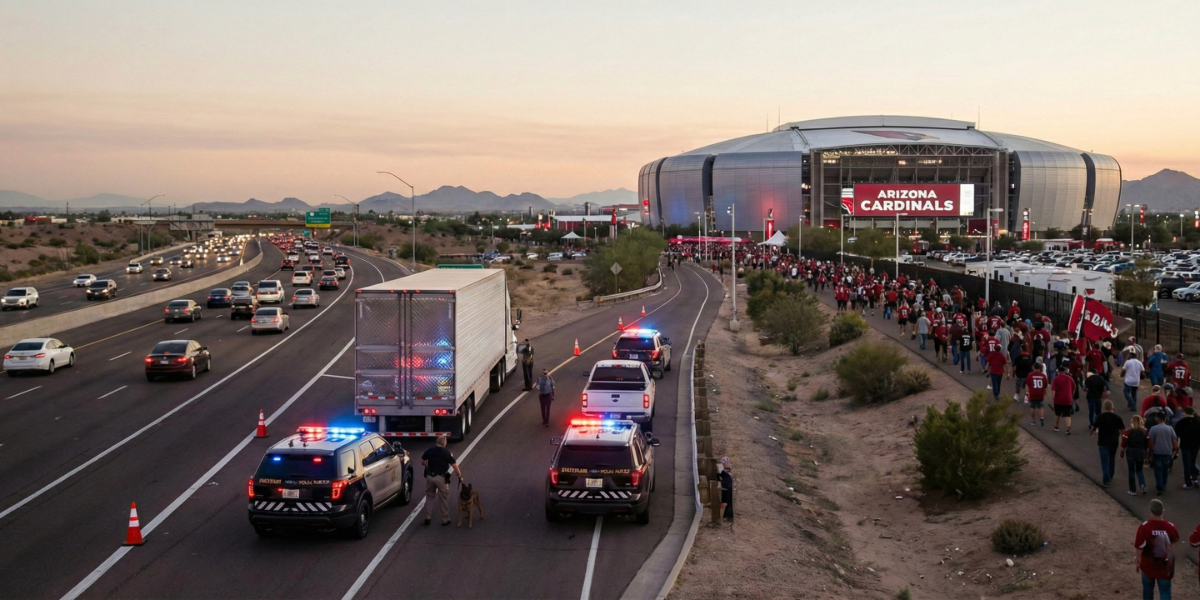
Major sporting events in Arizona bring large crowds, national attention, and increased law enforcement presence. When events like the Super Bowl, College Football Playoff games, or other high-profile matchups take place in the Phoenix area, state and federal agencies coordinate to prevent crime and protect public safety. One major focus during these operations is illegal drug transportation.
Drug trafficking is a serious felony offense under Arizona law. Transporting controlled substances for sale — or possessing more than certain threshold amounts — can lead to mandatory prison time, heavy fines, and permanent damage to your record. These laws apply whether you are an Arizona resident or simply traveling through Maricopa County for a sporting event.
This article discusses the following:
- Understanding Arizona Drug Trafficking Laws
- Why Enforcement Increases During Major Sporting Events
- Threshold Amounts Under Arizona Law
- Penalties for Drug Trafficking in Arizona
- Real-World Examples of Arrests During Large Events
- Common Defense Strategies in Arizona Drug Cases
- FAQs About Drug Trafficking Charges
- Important Things to Remember
- How Kolsrud Law Offices Can Help
This article does not excuse or support illegal activity. Instead, it explains how Arizona defines drug trafficking, why enforcement increases during major events, the penalties under the Arizona Revised Statutes, and the constitutional protections you still have if you are stopped, investigated, or charged. Even when facing serious allegations, you have rights that must be respected.
Understanding Arizona Drug Trafficking Laws
Arizona has some of the strictest drug laws in the country. The primary statutes governing drug trafficking include:
- ARS § 13-3405 (Marijuana offenses)
- ARS § 13-3407 (Dangerous drugs such as methamphetamine)
- ARS § 13-3408 (Narcotic drugs such as heroin and cocaine)
Under these laws, it is illegal to knowingly possess, transport, sell, transfer, or offer to sell controlled substances. Drug trafficking charges often arise when law enforcement believes someone was transporting drugs for sale or possessed more than a statutory “threshold amount.”
The State must prove that you knowingly possessed or transported the drugs. However, prosecutors frequently rely on circumstantial evidence, such as packaging materials, digital scales, cash, travel patterns, or statements made during a traffic stop.
Arizona takes these cases seriously because drug distribution impacts public safety. That is why penalties are severe. At the same time, the Constitution still requires police to follow strict rules during traffic stops, searches, and arrests. If those rules are violated, evidence may be excluded.
Josh Kolsrud brings close to two decades of criminal law experience to these cases. Having spent many years working as a federal prosecutor, he understands how these investigations are built and how to challenge weaknesses in the government’s case.
Why Enforcement Increases During Major Sporting Events
When Arizona hosts a large sporting event, law enforcement agencies often increase patrols and interdiction efforts. The stated goal is public safety. As large crowds gather in areas such as Glendale, Phoenix, and Scottsdale, agencies work together to prevent illegal activity.
This often includes:
- Increased highway patrol presence on I-10, I-17, and I-40
- Joint task forces involving DPS and federal agencies
- Traffic enforcement used to detect impaired driving and drug transportation
- Monitoring rental vehicles and out-of-state plates
It is important to be clear: police do not need a sporting event as a reason to enforce drug laws. However, during large events, visibility and patrol intensity increase. That can mean more traffic stops and more investigations.
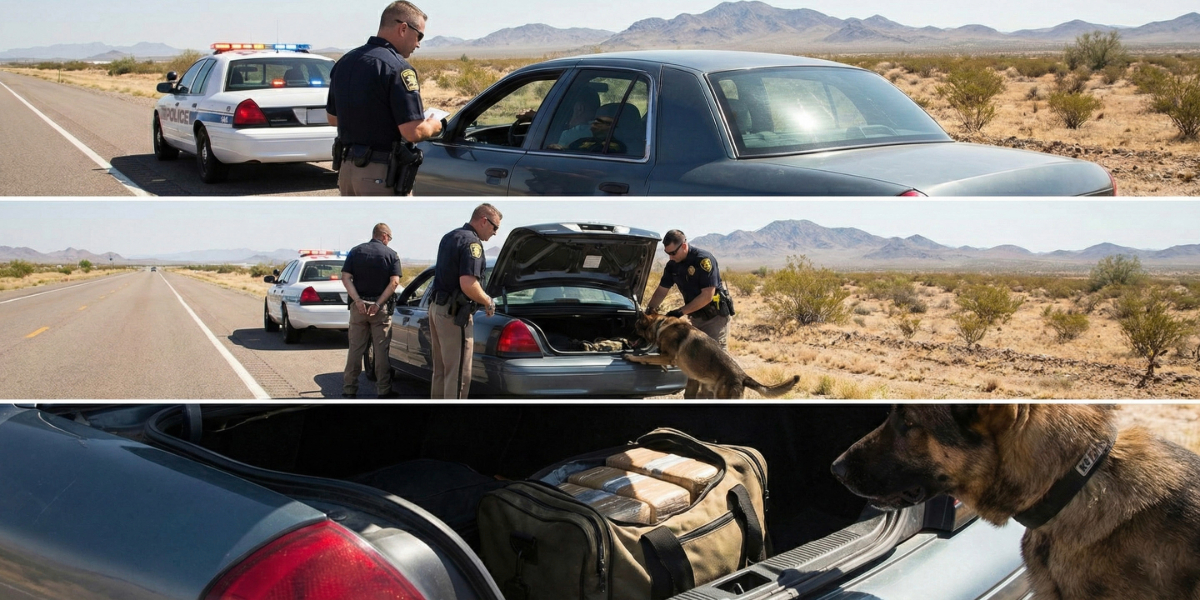
Many trafficking cases begin with a minor traffic violation, such as speeding or an improper lane change. From there, officers may ask questions about travel plans, request consent to search, or claim to detect the odor of marijuana. If drugs are found, the situation escalates immediately.
In these moments, constitutional protections matter. The Fourth Amendment protects against unlawful searches and seizures. If officers exceed their authority, that issue can become central to your defense.
Threshold Amounts Under Arizona Law
Arizona law establishes “threshold amounts” under ARS § 13-3401(36). If a person possesses more than the listed amount, the court may presume intent to sell. This significantly increases the seriousness of the charge.
Examples include:
- Marijuana: 2 pounds
- Methamphetamine: 9 grams
- Cocaine: 9 grams
- Heroin: 1 gram
- LSD: 0.5 milliliter
- PCP: 4 grams
When the threshold is exceeded, prosecutors frequently file transportation or possession with intent to sell charges as Class 2 felonies. In many cases involving dangerous or narcotic drugs, probation is not available if the threshold amount is proven.
It is important to note that exceeding a threshold does not automatically guarantee a conviction. The State must still prove the weight, the identity of the substance, and your knowledge and control over it.
In some cases, laboratory errors, improper weighing, or unlawful searches become critical issues. Careful review of the evidence can make a substantial difference in the outcome.
Penalties for Drug Trafficking in Arizona
Drug trafficking penalties are severe because Arizona law treats these offenses as serious threats to public safety. Most transportation or possession-for-sale offenses involving threshold amounts are charged as Class 2 felonies.
Consequences may include:
- Mandatory prison sentences
- Fines up to $150,000 under ARS § 13-801
- Additional surcharges and assessments
- Driver’s license suspension
- Asset forfeiture of vehicles or cash
- Enhanced sentencing for prior felony convictions under ARS § 13-703
Repeat offenders face substantially longer prison terms. If federal authorities take over the case, federal sentencing guidelines may apply, resulting in even more significant penalties.
| Offense Type | Classification | Presumptive Prison Term (First Offense) | Maximum Fine | Relevant Statute |
| Marijuana Transportation Over 2 lbs | Class 2 Felony | 5 Years | Up to $150,000 | ARS § 13-3405 |
| Methamphetamine Transportation for Sale | Class 2 Felony | 10 Years | Up to $150,000 | ARS § 13-3407 |
| Narcotic Drug Transportation (Heroin/Cocaine) | Class 2 Felony | 5 Years | Up to $150,000 | ARS § 13-3408 |
| Drug Paraphernalia | Class 6 Felony | 1 Year | Up to $150,000 | ARS § 13-3415 |
A felony conviction can affect employment, housing, professional licensing, and firearm rights. That is why early legal intervention is critical.
Contact us today to schedule a
FREE CONSULTATION and learn
how we can help you.
Real-World Examples of Arrests During Large Events
Example 1:
A driver traveling to a championship football game in Glendale is stopped on I-17 for speeding. After questioning, officers search the trunk and discover several pounds of marijuana products. Because the weight exceeds the threshold, prosecutors charge transportation of marijuana for sale under ARS § 13-3405.
Example 2:
Two individuals attend a major sporting event in Phoenix. During a traffic stop on I-10, officers find more than 9 grams of methamphetamine inside a backpack in the vehicle. Both occupants are charged because prosecutors argue they had joint control over the car.
In both cases, the individuals face Class 2 felony charges with mandatory prison exposure. These examples show how quickly a routine stop can become a life-changing situation.
Common Defense Strategies in Arizona Drug Cases
Every case requires a careful, fact-specific review. Some common defense strategies include:
- Unlawful Search and Seizure: If officers lacked probable cause or valid consent, evidence may be suppressed.
- Invalid Traffic Stop: If the stop itself was not legally justified, subsequent evidence may be excluded.
- Lack of Knowledge: The State must prove you knowingly possessed or transported the drugs.
- Chain of Custody Errors: Improper handling of evidence can undermine the prosecution’s case.
- Improper Testing or Weighing: If lab results are inaccurate or procedures were flawed, the threshold amount may not be proven.
Josh Kolsrud’s experience as a former federal prosecutor gives him insight into how these cases are built. He uses that experience to identify weaknesses and protect his clients’ constitutional rights.
FAQs About Drug Trafficking Charges
Can I be charged if the drugs were not mine?
Yes, if prosecutors believe you had control over them. However, knowledge must still be proven.
Does crossing state lines make it federal?
Not automatically. Some cases remain in the Arizona state court.
Is probation available?
Often not, unless the threshold amount is exceeded; each case depends on the statute and facts.
Can police search my vehicle without consent?
Only if they have probable cause or another legal justification.
Should I speak to the police after an arrest?
You have the right to remain silent and request an attorney.
Important Things to Remember
How Kolsrud Law Offices Can Help
An award-winning criminal defense attorney Since 2006
Why Choose Josh Kolsrud
With over 100 trials to his name, and years of experience as a state and federal prosecutor, Josh understands the law, the legal process, and your rights. Josh is also committed to representing every client with utmost integrity and dedication

Experience
Josh has prosecuted major crimes on the state and federal level, led a successful anti-human sex trafficking operation that saved lives, and argued before countless juries and justices for his clients

Expertise
Josh is an expert in both Arizona and federal criminal law, and is ready to put that expertise to work for you.

Dedication
As a prosecutor, Josh saw far too many defendants lose their livelihood due to poor representation. Josh will always give every client his complete attention and effort
Get a Free Initial Consultation:
Complete our form below to get a free case review.
or call us at (480) 999-9444.